Wisdom Seed: Respect
Welcome to the OAG Wisdom Seed, Respect. Click the items below to explore the content for this Wisdom Seed.
Caregiver LetterRespect devotionGroup 1 (3yr-5yr)
-
-
Earthworms work quietly under the soil to help plants grow and help the earth stay healthy. They mix the soil, carry nutrients, and make soft tunnels that help water reach the roots of plants. Chemicals and pollution that get into the ground can make this work hard for the earthworms. When we walk carefully and watch where we step, we show respect for the earthworms and all the hard work they do. To learn more about earthworms visit: https://kids.nationalgeographic.com/animals/invertebrates/facts/earthworm
-
Close your eyes and imagine you are a little earthworm moving through the soft, cool soil. How can you keep the earthworms that live around your home safe?
-
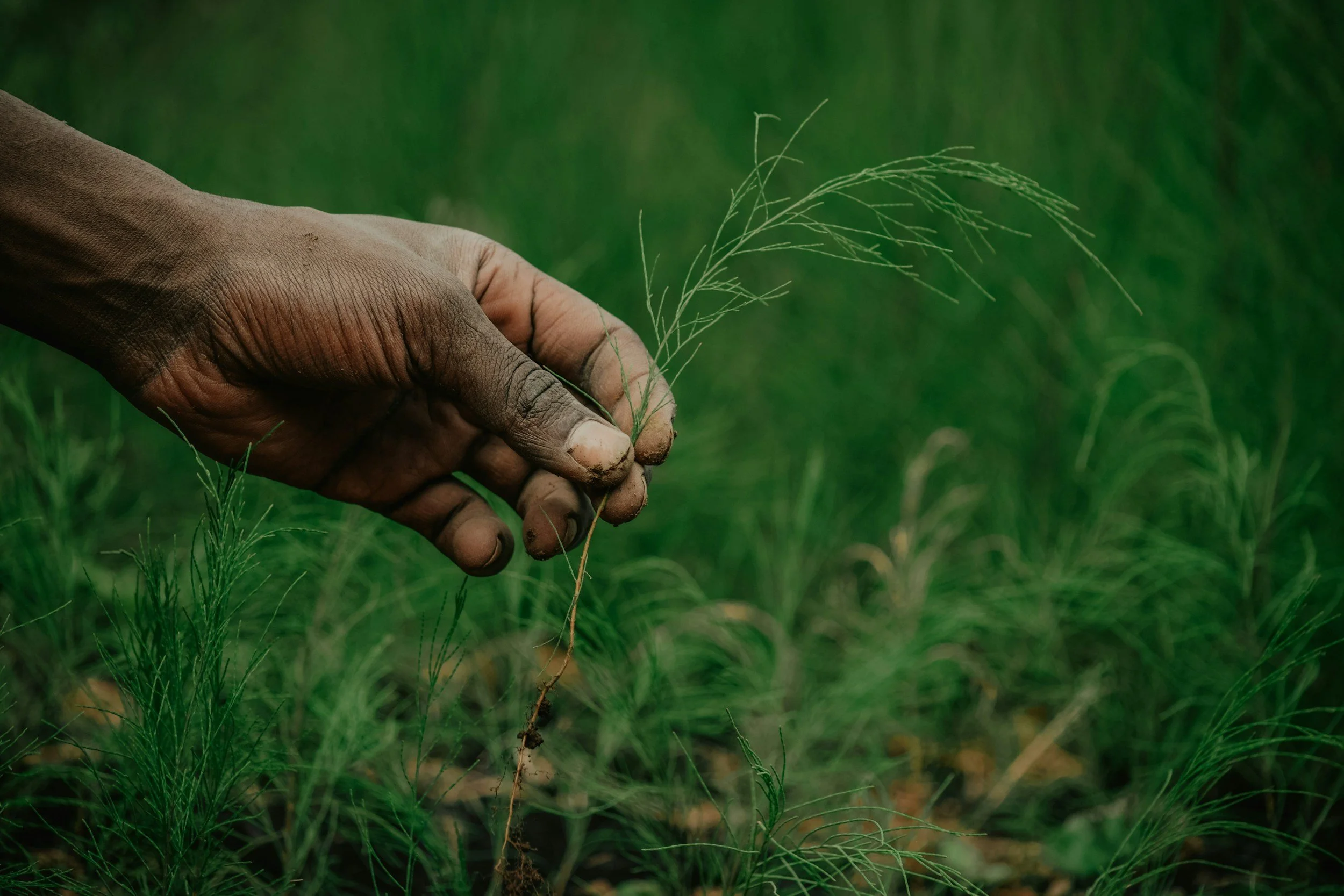
In a small tray or cup, pour a scoop of soil. Gently explore the soil with your fingers. Are there any tiny roots, pebbles, or insects? We show respect by using gentle hands because many of the tiny living things call the soil home. What other ways can we show respect to the soil?
-
-
Group 2 (6yr-8yr)
-
-
Prairie dogs teach us about respect because they live in large communities where everyone depends on one another. They build connected homes underground called towns where many families live together. Prairie dogs use special calls to communicate, warn each other about danger, and help keep their community safe. When people build on prairie land or pollution harms the soil, prairie dog towns can be destroyed, and many families lose their homes. Just like prairie dogs, we can show respect by listening to others, using kind words, and treating people the way we want to be treated. To learn more about prairie dog homes visit: Inside the Complex Underground Homes of Prairie Dogs - A-Z Animals
-
Prairie dogs care for one another by using special calls to communicate danger. Can you think of a special call you can do to help keep your friends and family safe?
-
We show respect for prairie dogs and other animals by caring for the places they live. Choose one way to help protect nature this week and practice it each day.
-
-
Group 3 (9yr-12yr)
-
-
Wolves live in family groups called packs, where each wolf has an important role. They communicate through body language and sounds to work together, care for one another, and avoid conflict. Older wolves help teach younger pups, and every member contributes to the pack's success. Wolves also help keep ecosystems healthy by balancing deer and elk populations. When wolf habitats are destroyed or packs are separated, wolves, communities, and entire ecosystems are affected. To learn more about wolf packs, visit: Wolf Pack Behavior: Dynamics, Communication, and Social Structure - ScienceInsights
-
Imagine a coral reef as a giant team where every living thing has an important job. What do you think would happen if one part of the team, like the algae, disappeared? Can you think of a time when one small change in your school or family affected everyone?
-
Wolves survive because every member of the pack helps care for the group. Choose one earth-friendly habit you can practice this week to help your community and the environment.
Try one:
Use only the water you need while brushing your teeth and bathing.
Reduce waste by reusing items.
Keep shared spaces clean.
Encourage others to care for nature.
At the end of the week, think about how your action helped the earth and try to make it a daily habit.
-
-